J & A Beare
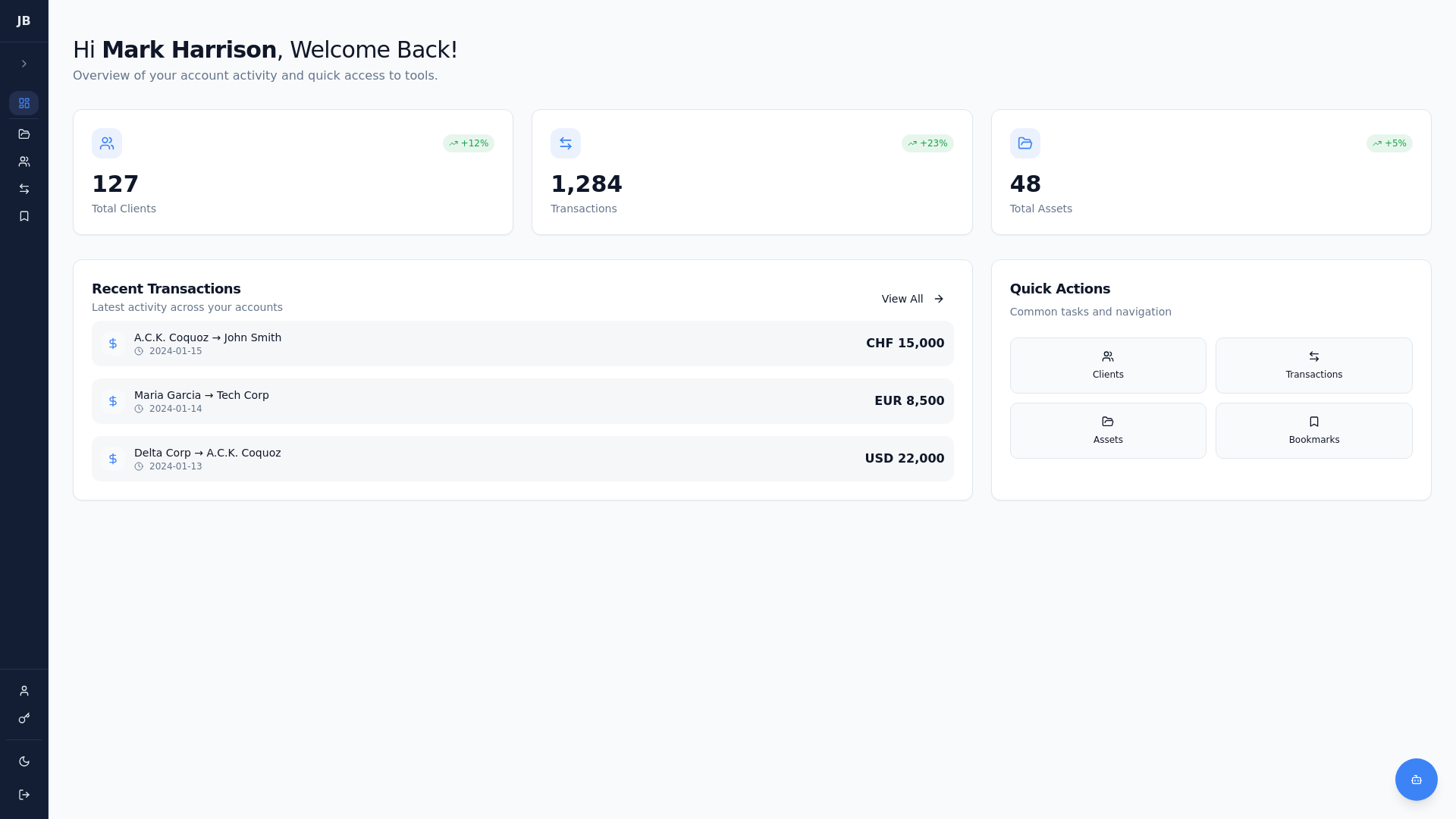
Beares' specialists needed their archive at hand in seconds without the system ever guessing. We designed and built an AI-enabled records system around instruments worth up to eight figures.
- Sector
- Fine instruments — dealing, authentication, restoration
- Services
- User Experience · AI Enablement · Development
- Founded
- 1892 · Marylebone, London
- Status
- Live
What they do
J & A Beare was founded in 1892 and works from a six-storey building in Marylebone, with operations in Germany and an agent in Seoul. For over 125 years it has authenticated, valued, sold, made and restored instruments and bows, and the J & A Beare Certificate of Authenticity is an industry standard.
The firm has sold more than sixty instruments by Stradivari and Guarneri del Gesù in recent years, and in 2012 set the world record price for a violin with the 'Vieuxtemps' Guarneri del Gesù at over $16m. Clients include soloists from the London Symphony Orchestra, Berlin Philharmonic and New York Philharmonic, alongside collectors, investors, trusts and conservatoires.
What it was costing them
This is not inventory management. Each item is a single, irreplaceable, three-hundred-year-old object, and the record is part of the asset.
Provenance, certification, restoration history and scientific analysis are what make a Stradivari a Stradivari. A wrong record permanently damages the value of the object.
So the system had to be accurate or silent. It also had to protect confidentiality, because high-value private sales and the client list are sensitive.
The work
We designed and built the system around that failure mode from day one rather than reviewing for it at the end.
Retrieval is grounded in verified records, anything touching attribution needs human confirmation, and the interface keeps a visible line between what the archive holds and what the system has inferred.
Access and visibility were designed around private sales from the start rather than added later as permissions.
The system stops rather than guesses
Most AI products are built to always produce an answer. This one is built to stop.
Where the archive is silent or ambiguous, it says so instead of producing the most plausible completion. That shaped the retrieval architecture, the prompts and the interface equally.
It also keeps the specialist in charge. The people using it have spent thirty years learning to read an instrument; the system brings them everything the archive holds in seconds and then gets out of the way.
What changed
- 130+ yrs
- Of archive in one system
- 0
- Attribution changes without human confirmation
Interface imagery and a named metric are subject to the client's confidentiality requirements.
Similar work elsewhere

Barkers EPM
Could this work for your business?
Thirty minutes with the people who would do the work. You will leave with a view on whether it is worth building and roughly what it costs.